














Selecting the appropriate forklift capacity is one of the most critical decisions for warehouse and logistics operations in Bahrain. Choose too small, and you risk equipment damage and safety hazards. Choose too large, and you’ll waste money on unnecessary capacity while sacrificing maneuverability. Understanding how to match forklift capacity to your operational needs ensures efficiency, safety, and cost-effectiveness for your business.
Understanding Forklift Capacity Ratings
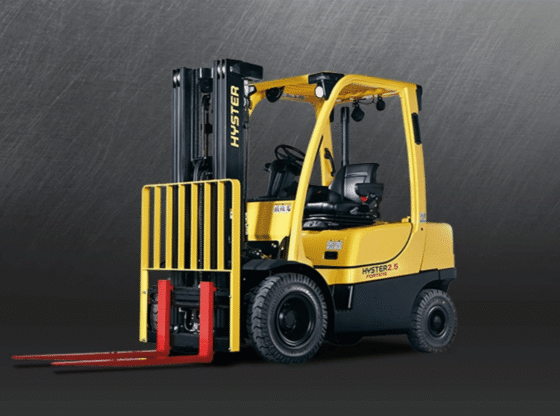
Forklift capacity refers to the maximum weight a forklift can safely lift at a specified load center, typically 24 inches from the fork face. This rating assumes the load is evenly distributed and positioned correctly on the forks. A 3-ton forklift, for example, can safely lift 3,000 kilograms when the load’s center of gravity is 24 inches from the vertical face of the forks. However, as the load center moves forward or if loads are unevenly distributed, the effective capacity decreases significantly.
Assess Your Maximum Load Requirements
Start by identifying the heaviest loads your operation handles regularly. Document the weights of palletized goods, machinery, raw materials, and finished products that move through your facility. Don’t just consider average weights—factor in your heaviest items. If your typical loads weigh 2 tons but you occasionally handle 2.5-ton shipments, you need capacity that accommodates the maximum, not the average. Working with an experienced hyster forklift supplier in Bahrain can help you accurately assess these requirements based on your industry and operational patterns.
Consider Load Center and Dimensions
Load capacity isn’t just about weight—dimensions matter equally. Longer or irregularly shaped loads shift the center of gravity forward, reducing your forklift’s effective capacity. If you regularly handle loads with centers of gravity beyond the standard 24-inch mark, you’ll need a higher-capacity forklift to compensate. Additionally, consider load height requirements. Stacking pallets higher increases the risk of instability, potentially requiring a forklift with greater capacity for safe operation at elevation.
Factor in Bahrain’s Operating Environment
Bahrain’s industrial landscape presents unique considerations. The combination of indoor warehousing and outdoor yard operations means many businesses need forklifts that perform well in both environments. High temperatures and humidity can affect both equipment performance and load stability. Dusty conditions in construction and manufacturing sites require robust equipment. When consulting with a hyster forklift supplier in Bahrain, discuss your specific environmental conditions to ensure the capacity rating accounts for these operational realities.
Balance Capacity with Maneuverability
While it’s tempting to simply buy the highest capacity forklift for maximum versatility, larger forklifts have wider turning radiuses and are less maneuverable in tight spaces. Bahrain warehouses, particularly in established industrial areas like Mina Salman and Sitra, often feature narrow aisles and confined spaces. A forklift that’s too large becomes inefficient, regardless of its capacity. Evaluate your facility layout and aisle widths to find the optimal balance between lifting capacity and operational agility.
Plan for Future Growth
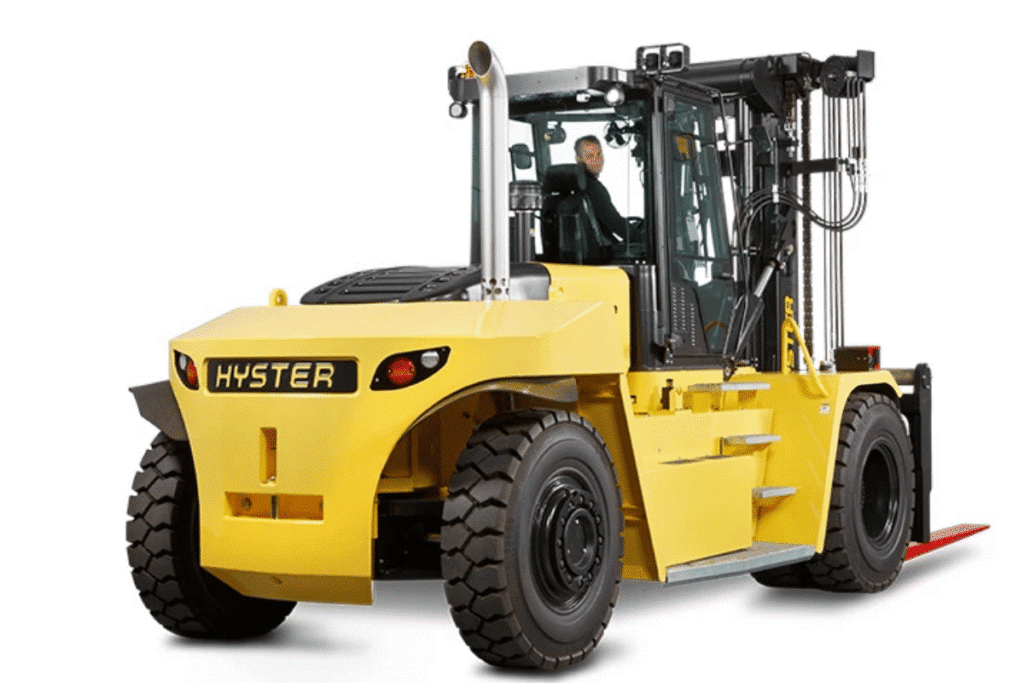
Your forklift capacity needs may evolve as your business grows. If you’re expanding operations, adding product lines, or anticipating heavier inventory, factor this into your decision. However, avoid over-buying based purely on speculative growth. A reliable hyster forklift supplier in Bahrain can help you develop a fleet strategy that addresses current needs while maintaining flexibility for future expansion through leasing options or phased equipment purchases.
Safety Margins and Compliance
Never operate forklifts at their absolute maximum capacity as standard practice. Build in a safety margin of at least 10-15% to account for unexpected situations, uneven loads, or minor weight miscalculations. Bahrain’s workplace safety regulations require proper load management, and operating within safe capacity limits protects both workers and equipment.
Choosing the right forklift capacity requires careful analysis of your loads, environment, and operational requirements. By taking a systematic approach and partnering with knowledgeable equipment suppliers like Kanoo Machinery, you can select forklifts that maximize productivity while maintaining the highest safety standards for your Bahrain operation.