























Warehouse equipment almost always gives some kind of warning before something serious goes wrong. The problem is that most warehouses are busy enough that those warnings slip by unnoticed. A forklift still moves pallets, operators keep using it, and maintenance gets pushed back because nothing has fully stopped yet. That pattern holds for a while, right up until the machine breaks down mid-shift and the whole floor slows down with it.
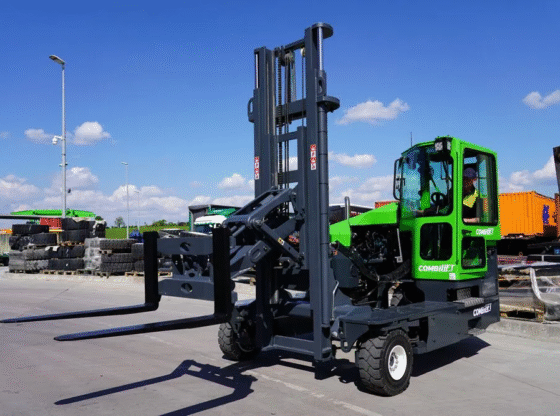
Combilift units deal with serious daily pressure. They handle long loads, squeeze through narrow aisles, and run through multiple shifts in many facilities. Wear builds up faster than people expect. That’s why regular checks aren’t optional; a proper Combilift maintenance routine prevents downtime, reduces safety risks, and keeps warehouse operations moving without the kind of interruptions that cost time and money.
Start Every Shift With a Basic Inspection
Most maintenance problems are visible early on, provided someone actually looks before the machine starts working under load. A quick check before each shift should cover tyres, forks, hydraulic hoses, warning lights, and any visible leaks. It doesn’t take long, but it catches small issues before they become big ones.
A loose fitting or a minor leak is a ten-minute fix early in the day. Left unnoticed until it affects other components, the same problem turns into something far more involved. Consistent daily checks are where solid Combilift maintenance actually begins.
Hydraulic Leaks Need Immediate Attention
Hydraulic systems handle lifting, steering, and movement. Once pressure starts dropping somewhere in the circuit, performance doesn’t stay normal for long.
Oil marks under the machine, wet hoses, damaged connectors, or a boom that’s slower to respond than usual these all point in the same direction. A lot of operators keep going when there’s a minor leak because the machine still functions well enough. What usually happens, though, is the problem works its way through the system over time. One leaking hose eventually creates strain on pumps and seals that weren’t originally involved. Catching it early is always the cheaper outcome.
Tyres Affect Stability More Than Most People Think
Tyres rarely get attention until the damage is obvious. By that point, the machine’s handling has already been off for a while. Worn tyres reduce traction, make steering rougher, create uneven movement, and lower stability during lifts, none of which is something you want when the machine is carrying a heavy or awkwardly shaped load through a narrow aisle.
Checking tyre condition regularly should be a standing item on any Combilift maintenance schedule, not something that only happens during annual servicing.
Steering Problems Usually Get Worse Gradually
Operators tend to spot steering problems before anyone on the maintenance side does. Delayed response, extra resistance when turning, wheels that aren’t moving quite right, unusual sounds during steering these things show up in daily use before they’re caught on inspection.
Steering issues can come from hydraulic wear, damaged components, or alignment problems. What all of them have in common is that ignoring them makes them worse. The repair that could have been handled quickly becomes more expensive once the underlying damage has spread further.
Fork Condition Should Be Checked Properly
Forks carry heavy loads every single day. The wear from that constant pressure isn’t always obvious at a glance, which is exactly why it needs to be checked deliberately.
Look for cracks, any visible bending, uneven fork height, and surface wear that’s gone beyond normal. Damaged forks affect load balance and raise the safety risk inside the warehouse and a machine can keep lifting pallets normally while that damage quietly gets worse underneath.
Electrical Checks Should Not Be Ignored
Electrical faults in warehouse equipment often start inconsistently, which makes them easy to write off as glitches. A warning light that flickers once and doesn’t come back. A sensor reading that seems off. A display that briefly does something strange. Controls that cut out for a moment and recover.
These things don’t usually sort themselves out. They worsen, often in ways that aren’t linear. A minor wiring issue can eventually lead to control failures at inconvenient times. A proper Combilift maintenance routine covers electrical systems, not just mechanical ones.
Brake Checks Are Essential in Busy Warehouses
In facilities with narrow aisles, heavy traffic, and loads moving around the clock, brake performance is directly tied to safety. Longer stopping distances, weak brake response, squealing sounds, and uneven braking are all warning signs.
The habit that tends to develop is for operators to adjust how they drive rather than flag the issue. Giving the machine more stopping room, slowing down earlier, and taking corners more carefully all of it happens quietly and creates unnecessary risk in an active warehouse environment.
Clean Equipment Is Easier to Maintain
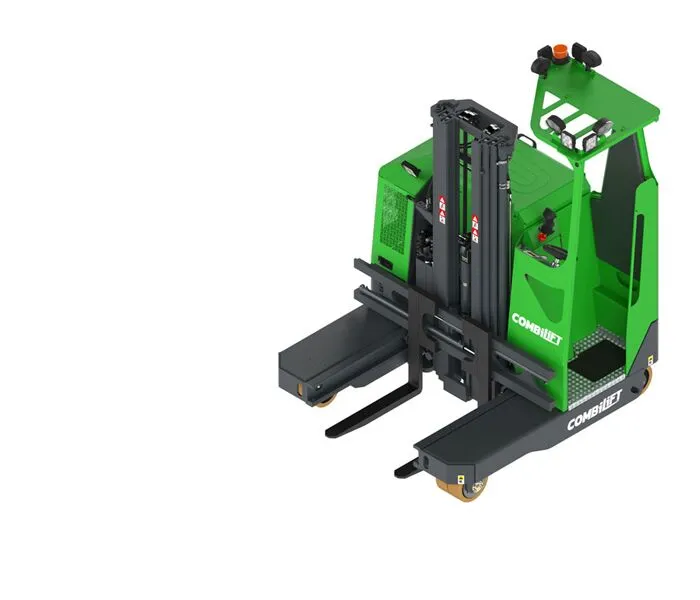
A dirty machine conceals a lot of what maintenance teams need to see. Leaks hide under grime. Cracks are harder to spot on surfaces covered in dust and residue. Damage goes unnoticed until it has already progressed.
Regular cleaning makes inspections more effective. It also helps because dust and debris that build up around moving systems create extra friction and wear over time, even when the machine seems to be working fine. Keeping equipment clean is one of the simplest and most overlooked parts of good Combilift maintenance.
Maintenance Records Make Planning Easier
Many warehouses operate on a reactive basis, fixing problems only when they break. That approach produces more downtime than necessary, because problems that could have been spotted and resolved during a quiet period instead surface during busy operations.
Tracking maintenance history changes that. Patterns become visible over time:
| Issue | Why It Should Be Tracked |
| Hydraulic repairs | Identify recurring system wear |
| Tyre replacements | Monitor usage and site conditions |
| Brake servicing | Improve safety planning |
| Electrical faults | Detect repeated wiring problems |
A proper Combilift maintenance record gives warehouse managers the information they need to schedule servicing before it becomes urgent.
Final Take
Warehouse equipment rarely fails without warning. The signs build gradually, and the early ones are easy to ignore because operations keep moving for a while without anything dramatic happening.
Checking hydraulics, tyres, steering, brakes, forks, and electrical systems on a regular basis is what prevents those small issues from becoming large, expensive ones. A consistent Combilift maintenance routine helps warehouses stay productive, avoid safety risks, and reduce unplanned downtime that disrupts an entire facility.
Kanoo Machinery is an authorised Combilift dealer in Bahrain. We supply material handling equipment and servicing solutions for warehouse and industrial operations, including the full Combilift range from multi-directional forklifts and sideloaders to pedestrian reach-stackers. Get in touch with our team at 800 01125.
FAQs
How often should Combilift equipment be inspected?
A basic check should happen at the start of every shift. Scheduled servicing should be based on operating hours and the intensity of daily use.
What are common signs that maintenance is needed?
Hydraulic leaks, rough or delayed steering, unusual sounds during operation, tyre wear, and slower lifting performance are the most common indicators.
Why are hydraulic leaks serious?
Because they reduce system pressure over time and place extra strain on pumps, seals, and other hydraulic components that weren’t originally affected.
Do tyres affect warehouse equipment safety?
Yes. Tyre condition directly affects stability, traction, steering response, and safe load handling, particularly when dealing with heavy or long loads.
Why is preventive maintenance important?
It reduces unplanned downtime, improves safety across the warehouse floor, and keeps repair costs lower by dealing with wear before it becomes damage.