





















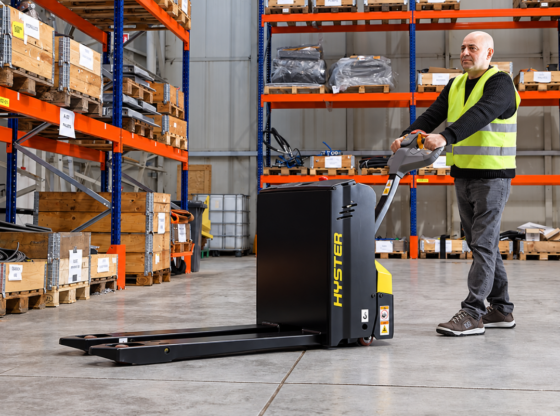

A power pallet truck might seem simpler than a forklift, but that simplicity is precisely why operational managers are unprepared for its malfunction. There are no clear signs that something is wrong until the equipment stops in the middle of a warehouse.
Because this equipment runs almost continuously during peak shifts, the components under the most repeated stress batteries, hydraulics, drive motors, and forks are also the ones most likely to fail first. Understanding what typically goes wrong, and why, helps operations teams catch problems before they turn into a stalled shift. This article walks through the most common failure points and their root causes.
How a Power Pallet Truck Actually Works
Before looking at failure points, it helps to understand the basic system this equipment relies on:
- Battery-driven motor: powers both the drive function and the steering, replacing the manual push-pull effort of a hand pallet jack
- Hydraulic pump: raises and lowers the forks, typically activated by a button or lever on the tiller handle
- Tiller arm and controls: the operator’s primary interface for steering, speed control, and lift/lower functions
- Load wheels and drive wheel: bear the weight of the load and provide traction, respectively
Common Failure #1: Battery and Charging System Issues
Battery problems are the most frequent reason a power pallet truck goes out of service, and they’re almost always tied to charging habits rather than battery age alone.
- Opportunity charging without full cycles: repeatedly topping up a lead-acid battery without letting it complete a full charge cycle shortens its usable life
- Charging in high-heat or humid areas: UAE ambient conditions accelerate battery degradation if charging stations aren’t in a properly ventilated area.
- Corroded terminals: poor connection points reduce charging efficiency and can cause intermittent power loss during operation
- Water ingress in cold store transitions: moving the machine between a cold store and ambient warehouse space causes condensation that can affect battery compartment seals over time.
Common Failure #2: Hydraulic Pump and Lift System Failures
The hydraulic system lifts the load, and it’s a common point of failure when this equipment is consistently pushed near or beyond its rated capacity.
- Overloading beyond rated capacity: Repeatedly lifting loads at or above the machine’s rated limit puts sustained strain on seals and pump components
- Low or contaminated hydraulic fluid: Inadequate fluid levels or fluid contaminated with debris reduces lift performance and accelerates pump wear
- Worn seals: Hydraulic seals degrade over time and with heavy use, leading to slow or uneven lifting
- Infrequent fluid checks: Many operations address hydraulic issues only after lift performance visibly drops, by which point internal wear has often already occurred.
Common Failure #3: Drive Motor and Wheel Wear
Since a power pallet truck is often used for repetitive, short-distance runs across loading docks and staging areas, drive components wear differently than they would in less intensive applications.
- Polyurethane wheel wear: constant starts, stops, and turns on smooth concrete gradually flatten or crack wheel surfaces, affecting traction and ride quality
- Debris buildup around the drive wheel: pallet fragments, shrink wrap, and general warehouse debris can wrap around axles and impair movement
- Motor overheating: continuous multi-shift use without adequate cooldown periods can shorten drive motor lifespan
- Uneven floor surfaces: outdoor, semi-outdoor, or poorly maintained dock areas place additional mechanical stress on wheels and motor mounts not designed for that terrain
Common Failure #4: Tiller Arm and Control Switch Failures
The tiller arm takes constant physical handling, and its switches are exposed to repeated activation throughout a shift
- Switch fatigue from high-frequency use: buttons and levers activated hundreds of times per shift wear out faster than in lower-intensity applications
- Impact damage: tiller arms are frequently bumped against racking, dock edges, or other equipment, which can damage internal wiring even without visible external damage
- Dust and moisture ingress: control housings not properly sealed allow fine dust or moisture to affect internal electronics over time
Common Failure #5: Fork and Frame Damage from Overloading
- Bent forks: Caused by lifting loads with an off-center weight distribution or exceeding rated capacity
- Frame stress cracks: Repeated overloading, even below the point of visible fork bending, gradually stresses the frame’s structural welds.
- Pallet weight miscalculation: Operators sometimes rate a load by product weight alone without accounting for the pallet’s own weight, pushing the actual load above rated capacity without anyone noticing
Failure Summary Table
| Failure Area | Most Common Cause | Prevention Step |
| Battery/charging | Incomplete charge cycles, heat exposure | Full charge cycles, ventilated charging area |
| Hydraulic pump | Overloading, low/contaminated fluid | Rated-capacity operation, scheduled fluid checks |
| Drive motor/wheels | Continuous multi-shift use, debris buildup | Cooldown periods, regular wheel inspection |
| Tiller arm/controls | High-frequency switch activation, impact damage | Operator training, housing inspection |
| Forks/frame | Overloading, off-center loads | Confirm total load weight including pallet |
Preventive Maintenance Checklist
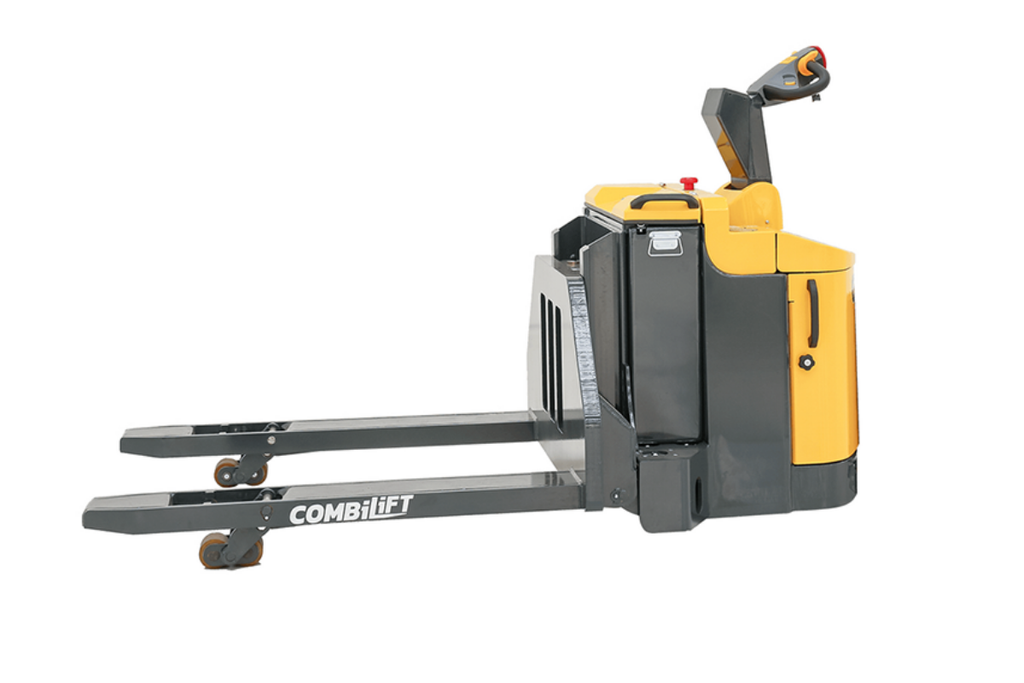
- Inspect battery terminals and charging connections weekly for corrosion or looseness
- Check hydraulic fluid level and condition on a scheduled interval rather than only when performance drops
- Confirm actual load weight, including the pallet itself, against the machine’s rated capacity before each lift
- Rotate or inspect wheels regularly for flat spots, cracking, or debris buildup
- Have tiller arm switches and wiring checked periodically, particularly on machines used across multiple shifts
- Confirm the power pallet truck’s IP rating matches its operating environment, especially for cold store or semi-outdoor use
Conclusion
Most power pallet truck failures trace back to a handful of predictable causes: incomplete charging habits, operation near or above rated capacity, and wear from continuous multi-shift use rather than sudden mechanical defects. Catching these issues early through consistent inspection and proper daily use extends the machine’s working life considerably. It also prevents mid-shift breakdowns that can stall an entire loading dock. Kanoo Machinery supplies and services Hyster equipment across the UAE with genuine parts, trained technicians, and rental fleet options tailored to applications ranging from cold storage to general warehousing. Contact our team at 800-KM100(56100) to discuss the right equipment for your operation or to schedule a maintenance check.
Frequently Asked Questions
How often should a power pallet truck’s battery be fully charged?
Batteries should complete a full charge cycle regularly rather than being repeatedly topped up, since incomplete cycles shorten battery lifespan over time.
Can overloading damage this equipment even if it doesn’t happen often?
Yes, occasional overloading still places cumulative stress on hydraulic seals and frame welds, and repeated instances can lead to bent forks or reduced lift performance even without a single dramatic failure event.
Why do power pallet trucks used in cold storage need special consideration?
Moving between cold storage and ambient temperatures causes condensation that can affect battery compartments and electronics. Hence, machines used in this environment need an appropriate IP rating and more frequent inspection.
What’s the most overlooked cause of premature wheel wear?
Operating on uneven or poorly maintained floor surfaces, including outdoor or semi-outdoor dock areas, adds mechanical stress to wheels not designed for that terrain, accelerating wear beyond normal smooth-concrete use.