















Heavy industries don’t all operate under the same conditions, and the lifting equipment that works well in one setting can fall completely short in another. A machine suited to a warehouse environment may not last a season on a refinery site or a large infrastructure project. In Saudi Arabia, sectors like oil and gas, construction, logistics, mining, and manufacturing deal with demanding environments, extended operating hours, and heavy material
l loads as a matter of routine not exception.
That context makes selection of lifting solutions in Saudi Arabia more consequential than it might seem on paper. The wrong choice leads to delays, higher maintenance bills, and safety exposure that could have been avoided. More businesses now look carefully at their actual operational requirements before committing to any machine. Getting lifting solutions right in Saudi Arabia means understanding the work, the site, the load, and the long-term usage picture before anything else.
Understand the Type of Work
The first question isn’t about capacity it’s about application. Steel structures, containers, pipe systems, machinery components, and construction materials all have different handling requirements. A machine that’s ideal for one of those jobs may be the wrong tool for another.
Equipment used inside industrial facilities often needs better manoeuvrability than raw power. Large outdoor projects typically demand machines built for rough terrain and higher load ratings. Choosing lifting solutions in Saudi Arabia starts with being specific about where the equipment will actually operate and what it will actually lift not with picking the largest available option and assuming it will cover everything.
Load Capacity Is Important, but It’s Not the Only Number That Matters
Maximum lifting capacity tends to be the figure businesses focus on first. That’s understandable, but it’s only part of the picture.
Lift height, reach requirements, ground conditions, available operating space, and load dimensions all affect whether a machine will actually perform on the project it’s being selected for. A high-capacity machine can still underdeliver if the site conditions don’t suit it, or if the reach required exceeds what the specification allows. Project conditions should always be reviewed in full before finalising equipment decisions not just the capacity figure on the datasheet.
Site Conditions Change What Equipment Can Do?
Heavy industry projects in Saudi Arabia frequently operate in conditions that would be considered demanding by most standards. High temperatures, dust-heavy environments, uneven ground, and remote project sites are all common realities rather than edge cases.
Those conditions affect both performance and wear rate. Lifting solutions in Saudi Arabia that run on refinery sites or major infrastructure projects needs stronger build quality and more stable operating systems than machinery used in a controlled indoor environment. Overlooking site conditions during selection usually leads to higher downtime later machines that weren’t designed for those realities wear out faster and require more maintenance than anticipated.
Consider the Space Available on Site
Some industrial locations are tight, with limited room to manoeuvre. Others are wide open. That difference changes what equipment can actually do during daily operations.
| Site Type | Equipment Requirement |
| Narrow industrial facility | Compact manoeuvrability |
| Large construction site | Long reach and higher capacity |
| Warehouse operation | Tight turning capability |
| Outdoor infrastructure project | Rough terrain stability |
Operating Hours Affect Which Equipment Makes Sense
Not every machine is designed for the same level of workload intensity. Some equipment is used occasionally during scheduled maintenance. Other machines run across multiple shifts every day on large-scale projects. The difference matters.
Heavy usage increases wear at a faster rate, and machines expected to run long daily hours need stronger build quality, better cooling systems, and access to maintenance support that matches that pace. Choosing lifting solutions in Saudi Arabia without factoring in how intensively it will actually be used tends to produce reliability problems down the line that wouldn’t have been difficult to anticipate.
Safety Requirements are important for Selection Process
Heavy lifting operations carry real risk, particularly on industrial sites where multiple teams are working in the same space simultaneously. Before committing to a machine, businesses should look at load stability characteristics, ground safety conditions, operator visibility, how site traffic moves around the equipment, and what safety systems are built into the machine itself.
The right lifting solutions in Saudi Arabia make daily operations safer and more manageable, not more complicated. Equipment that creates additional hazards in an already busy environment is the wrong equipment, regardless of what the capacity figures say.
Operator Comfort Affects Productivity in Real Terms
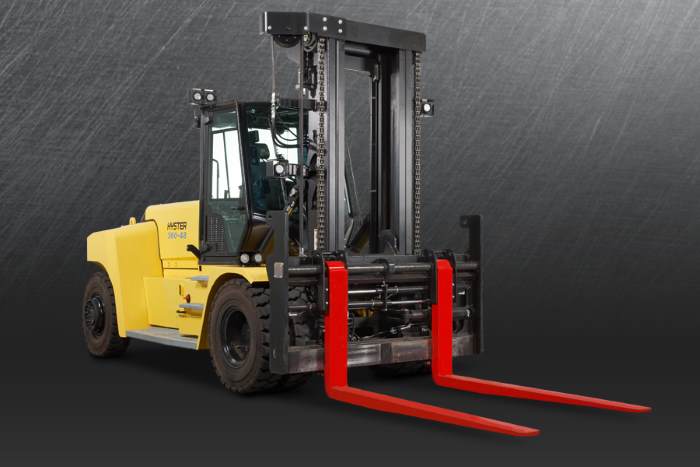
Operators on industrial sites work long hours, especially during large or time-sensitive projects. Equipment that offers better visibility, intuitive controls, a comfortable cabin, and smoother overall operation produces measurably better results than machines that are physically demanding to use for extended periods.
Difficult-to-operate equipment increases fatigue and reduces the quality and pace of work over time. When the same operator is running the same machine across a full day’s shift, that difference accumulates into a real productivity gap one that’s easy to overlook when comparing specifications but hard to miss once operations are running.
Different Industries Need Different Lifting Approaches
Industrial sectors across Saudi Arabia operate differently from one another, and their lifting requirements reflect that.
| Industry | Common Requirement |
| Oil and Gas | Heavy-duty lifting stability |
| Construction | Reach and mobility |
| Logistics | Fast, efficient material movement |
| Manufacturing | Precision load handling |
Equipment selection should be driven by the actual operational demands of the specific industry and project not by general market trends or what similar businesses happen to be using.
Final Take
Choosing lifting equipment for heavy industry involves considerably more than comparing capacity numbers. Site conditions, operating hours, maintenance support, load type, available space, and safety requirements all directly affect how a machine performs in actual daily use and how long it keeps performing well.
The right lifting solutions in Saudi Arabia improve productivity, support safer working environments, and reduce the kind of avoidable interruptions that cost projects time and money. For industries operating under demanding conditions, getting the selection right upfront almost always prevents larger and more expensive problems further down the line.
Kanoo Machinery serves several industries. We maintain several spare parts counters across Saudi Arabia and provides 24×7 after-sales support through qualified service personnel and mobile service vans operating at customer sites. Get in touch with our team at 920004017
FAQs
What factors matter most when choosing lifting equipment?
Load type, site conditions, operating hours, lift height and reach requirements, safety features, and access to maintenance support all need to be considered together rather than in isolation.
Why do site conditions affect equipment selection?
Dust, extreme heat, rough or uneven terrain, and limited working space all affect machine performance, durability, and maintenance requirements. Equipment not designed for those conditions wears faster and requires more servicing.
Should maintenance support be considered before buying equipment?
Yes. Spare parts availability, service response times, and technical support access all affect long-term operational reliability particularly on projects in remote locations or running tight schedules.
Do different industries require different lifting solutions?
Yes. Construction, logistics, oil and gas, and manufacturing each have distinct requirements in terms of reach, capacity, manoeuvrability, terrain capability, and precision that influence which equipment is appropriate.
Why does operator comfort matter in lifting equipment?
Better visibility, intuitive controls, and comfortable cabins directly affect operator efficiency and fatigue levels during long working hours which in turn affects overall productivity on site.