



















Lifting equipment on Saudi Arabia’s construction sites, oil and gas facilities, and industrial plants doesn’t just need to work; it needs to meet a specific set of regulatory requirements before it can legally operate, and those requirements are more layered than most procurement teams initially expect. SASO sets the baseline through its Technical Regulation for lifting equipment, which mandates conformity assessment via the SABER platform before any crane, forklift, or lifting accessory enters the Saudi market.
Saudi Aramco has its own framework for standards over and above the others on its projects and equipment used in its facilities. For contractors and operators sourcing industrial lifting solutions in Saudi Arabia, understanding how and where these frameworks apply, what documentation is required for each, as well as how they merge, can be vital for ensuring procurement that is compliant and does not result in delays, fines, or project stoppage at the worst time.
What SASO Actually Requires?
Approved by the Saudi Standards, Metrology and Quality Organization (SASO), the Technical Regulation for lifting equipment mandates that suppliers demonstrate conformity before products are placed on the market.
The equipment categories covered are specific:
- Mobile cranes, tower cranes, overhead travelling cranes, and portal bridge cranes
- Industrial trucks, forklifts and rough-terrain trucks
- Lifting accessories like chain slings, wire rope slings, textile slings, hooks, and shackles
- Safety components that perform critical safety functions
When importing lifting equipment into Saudi Arabia, SASO requires an inspection report to be uploaded into the SABER platform. SABER inspection verifies that imported machinery meets safety and compliance standards before customs release.
The output of this process is a Certificate of Conformity (CoC), a mandatory document for both new and used equipment.Industrial lifting solutions in Saudi Arabia must undergo specific conformity assessments to ensure they comply with technical regulations set by SASO.
Periodic Inspection Requirements Under SASO
The SASO Technical Regulations for lifting equipment require all lifting devices to undergo initial and periodic inspections by an accredited inspection body.
Lifting equipment must comply with standards like ISO 9927 for cranes and ASME B30, which mandate periodic inspections. Non-compliance risks fines, project suspensions, or legal liabilities.
Three inspection types are mandatory under SASO:
- Initial inspection before first use after import or installation. Confirms the equipment meets its specification and is safe to operate under the conditions for which it was designed.
- Periodic inspection at defined intervals during operational service. Frequency depends on equipment type, operating intensity, and the nature of the application.
- Post-repair inspection after any significant repair, modification, or incident involving the equipment. Confirms the machine has been restored to its pre-repair or pre-incident specification before returning to service.
A valid inspection certificate is mandatory for legal operation, insurance coverage, and worker safety on Saudi project sites. For contractors runningindustrial lifting solutions in Saudi Arabia across multiple sites, tracking inspection status across the fleet is a compliance obligation, not an optional administrative function.
What Saudi Aramco Adds on Top?
Any equipment working within Saudi Aramco facilities or on Aramco-contracted projects faces an additional and separate standards framework. Saudi Aramco references numerous ASME and API standards for equipment related to cranes, hoists, lifting devices, and elevating equipment.
The specific Aramco-referenced standards for lifting equipment include:
| Standard | Application |
| ASME B30.2 | Overhead and gantry cranes |
| ASME B30.3 | Construction tower cranes |
| ASME B30.4 | Portal, tower, and pillar cranes |
| ASME B30.5 | Mobile and locomotive cranes |
| ASME B30.9 | Slings |
| ASME B30.10 | Hooks |
| API RP 2D | Operation and maintenance of offshore cranes |
| G.I. 7.030 | Inspection and testing requirements of elevating/lifting equipment |
Cranes operating in hazardous areas shall be equipped with all necessary explosion-proof accessories to suit the respective zone requirements. The superstructure swing brake and turntable locking pin shall be fully operational and engaged in transit or when the crane is idle. New land crane installations shall be inspected and approved before initial use.
API RP 2D applies specifically to crane operations in petroleum and offshore environments, which means any contractor operating cranes on Aramco’s onshore or offshore facilities, across the Eastern Province’s petrochemical and refinery sites in Jubail and Dammam, needs equipment and operating procedures that align with this standard.
For businesses providingindustrial lifting solutions in Saudi Arabia to Aramco-contracted projects, ASME B30.5 for mobile cranes is the most frequently relevant standard covering design, construction, installation, inspection, testing, maintenance, and operation of mobile and locomotive cranes.
Where do the Two Frameworks Intersect?
SASO sets the legal baseline for market entry and continued operation across all industries. Aramco’s standards set the operational and inspection requirements for equipment working within its own projects and facilities, which are more prescriptive in some areas than the SASO baseline.
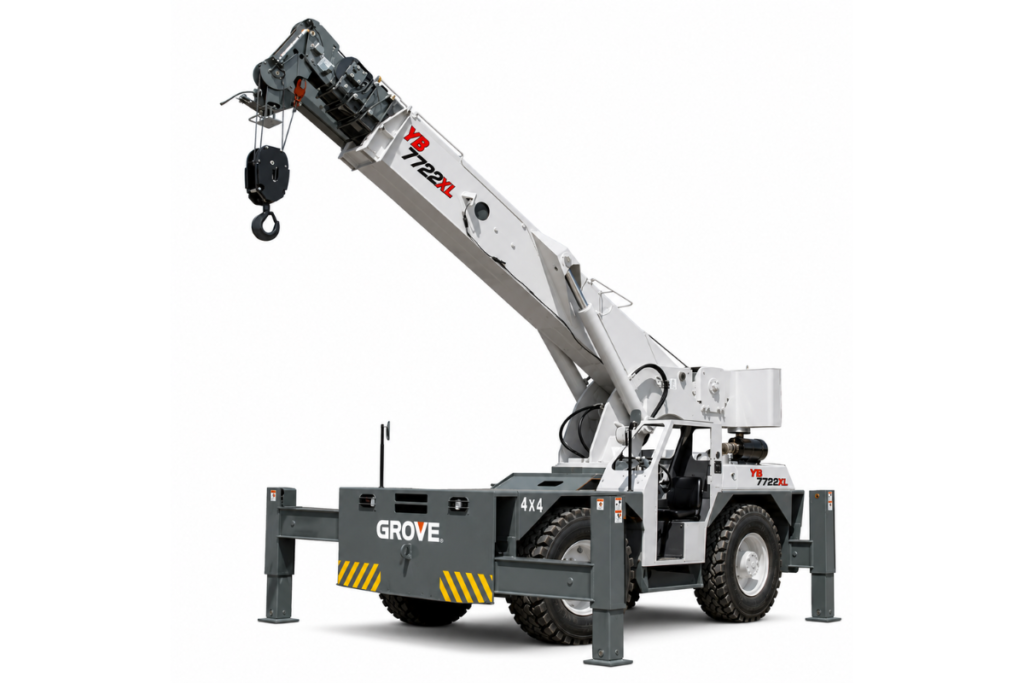
A crane that holds a valid SASO Certificate of Conformity and current inspection certificate meets the legal requirement for operation in Saudi Arabia. That same crane still needs to comply with Aramco’s specific referenced standards, particularly ASME B30 and API RP 2D if it’s working on an Aramco project.
The documentation stack that compliant industrial lifting solutions in Saudi Arabia require for an Aramco project therefore includes:
- Valid SASO Certificate of Conformity
- Current periodic inspection certificate from an accredited body
- Compliance with the relevant ASME B30 series standard for the crane type
- API RP 2D compliance documentation for offshore or petroleum crane applications
- Evidence of operator qualification to Aramco’s requirements
Final Take
SASO and Aramco standards for lifting equipment aren’t parallel systems but layered. SASO sets what’s required to operate any lifting equipment in Saudi Arabia legally. Aramco sets what’s required to operate on its projects, which builds on the SASO baseline with specific ASME- and API-referenced standards. Contractors and operators must understand both frameworks prior to ordering equipment to keep projects on schedule and compliance intact. Kanoo Machinery‘s supply of authorised lifting equipment through its five-location Saudi network provides the documentation, service, and technical support infrastructure. Visit the website or contact our team at 920004017.
FAQs
What does SASO require before lifting equipment can enter Saudi Arabia?
A Certificate of Conformity issued through the SABER platform, based on a conformity assessment that evaluates technical files and risk assessment against SASO’s Technical Regulation for lifting equipment. Both new and used equipment require this before customs release.
What ASME standards does Saudi Aramco require for mobile cranes?
ASME B30.5 Mobile and Locomotive Cranes is the primary standard for mobile crane design, construction, inspection, testing, maintenance, and operation. API RP 2D applies specifically to crane operations in petroleum and offshore environments.
How often must lifting equipment be inspected under SASO?
Initial inspection before first use, periodic inspections during operational service, and post-repair inspections after any significant repair or incident. Frequency of periodic inspections depends on equipment type and operating conditions.
Does sourcing from an authorised dealer simplify SASO compliance?
Yes. Equipment sourced through authorised dealers with established Saudi market operations comes with SABER-compliant conformity documentation already processed, removing the customs clearance risk that accompanies informally sourced imports.